

Quick answer
Zadar is worth visiting if you value uncrowded historical sites, experimental public art, and affordable access to offshore islands. Entry to the archipelago is free, though ferry and park fees vary by provider. The city itself offers Roman ruins, Byzantine churches, and the Sea Organ and Greeting to the Sun installations—without the pricing or cruise-ship crowds of Split or Dubrovnik. Arrive between 07:00 and 10:00 to secure morning ferry slots and avoid midday heat.
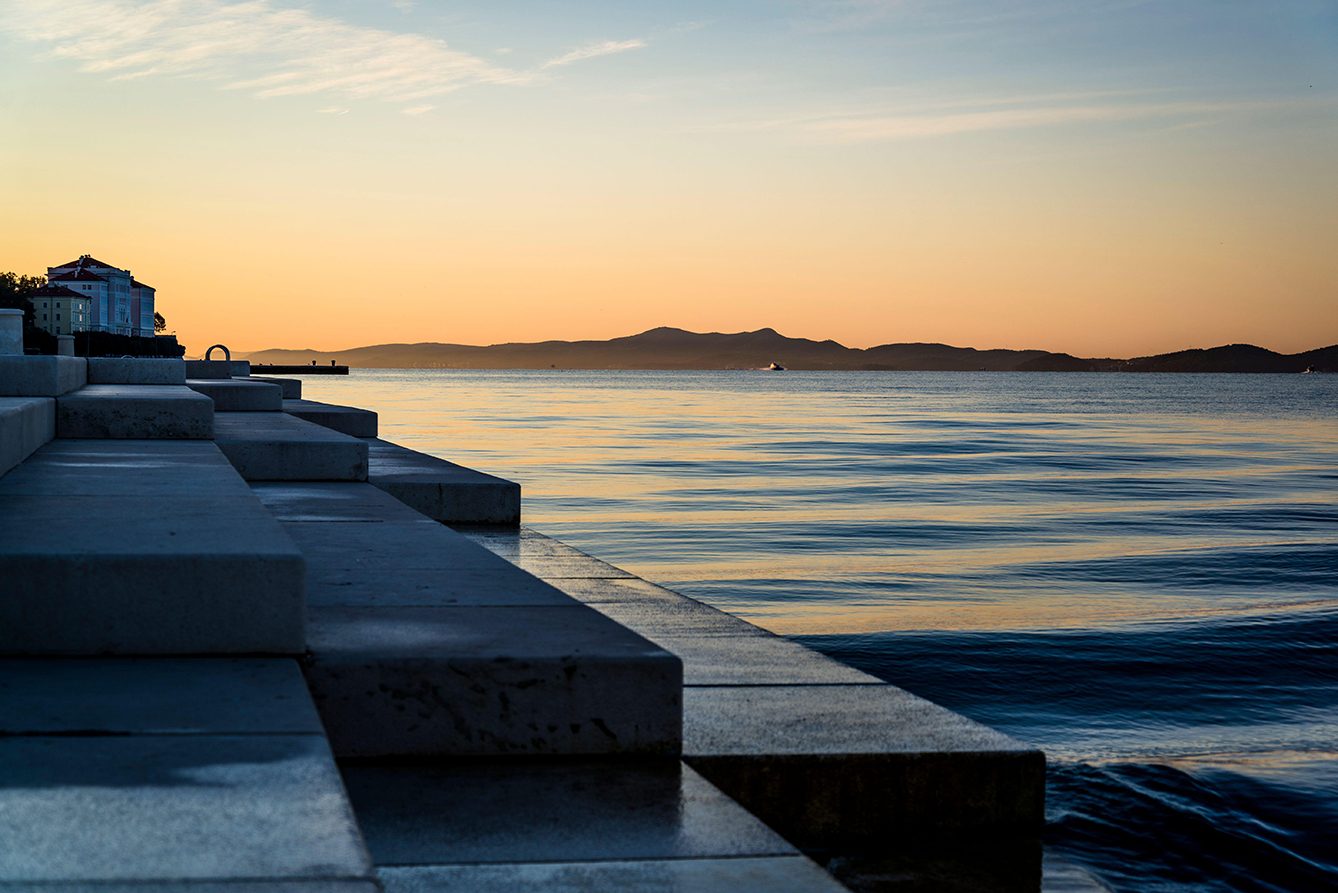
Zadar's Forum was paved in the first century BCE, making it older than the Colosseum, yet you can walk across it without a ticket or a queue. That contrast—ancient infrastructure treated as civic space rather than gated attraction—defines the city's appeal and its limitations. The Zadar Archipelago comprises 24 islands, most uninhabited, stretching northwest into the Adriatic. Dugi Otok, the largest, holds Telašćica Nature Park and the vertical cliffs of Strmac. Ugljan and Pašman are connected by bridge and lie 25 minutes by ferry from the mainland. Smaller islets like Ošljak and Galevac host medieval monasteries accessible only by chartered boat. The archipelago is not a single destination but a network of micro-ecologies—some with daily ferry service, others reachable only in summer. Whether visiting Zadar and its islands is worthwhile depends on how you weight convenience against solitude, and whether you treat the city as a base or a waypoint. The Sea Organ, installed in 2005 by architect Nikola Bašić, pipes wave motion through 35 underwater tubes to produce shifting tones audible along Obala Kralja Petra Krešimira IV. The adjacent Greeting to the Sun—a 22-meter photovoltaic disc—pulses with colored light after dusk. Both are free, open continuously, and often cited as Zadar's signature works. They are also the city's most divisive features: celebrated by architecture critics, dismissed by visitors expecting Venetian grandeur. If you find installation art gimmicky, Zadar's contemporary layer will feel like a distraction from its medieval core. St. Donatus Church, a ninth-century rotunda built atop the Roman forum, no longer functions as a place of worship but hosts chamber concerts in summer. The Cathedral of St. Anastasia, consecrated in 1177, retains its Romanesque facade and offers roof access for a modest fee. Both lie within 200 meters of each other in the Old Town, which spans roughly 600 by 400 meters—small enough to cross in ten minutes. The compact scale means you will cover the historical center in a half-day; the question is whether the islands justify a longer stay.
“Zadar's Forum was paved in the first century BCE, yet you can walk across it without a ticket or a queue.”
When Is Zadar Worth Visiting for Island Exploration?
The period from May to June and September to October offers the most favorable balance of mild temperatures and manageable visitor numbers for exploring the Zadar Archipelago. Planning your visits during these shoulder months avoids the intense heat and peak density of the mid-summer season.
May and June
ModeratePleasant, 18°C–25°C
Ideal conditions for ferry travel and coastal activities without peak summer crowds.
July and August
HighHot, 28°C–32°C
Expect higher temperatures and increased island traffic during the peak vacation season.
September and October
Low to ModerateWarm, 20°C–26°C
The sea remains warm for swimming while tourist numbers decline significantly.
Weekday mornings
Low—
Arrivals between 07:00 and 10:00 ensure access to preferred ferry connections and fewer queues.
Verdict: The best time to visit is during the shoulder months of May, June, September, or October, specifically arriving weekday mornings between 07:00 and 10:00.
Is Zadar Worth Visiting on a Budget: Island Costs
Access to the Zadar Archipelago is open to the public. Actual costs for visiting depend on your chosen transport method and any entry fees required by specific protected areas.
While island access is 0 EUR, total costs vary based on the specific ferry or boat tour provider you select.
How to Get to the Zadar Archipelago if You Find Zadar Worth Visiting
The Zadar Archipelago is accessed primarily via the main ferry port in Zadar city center. Connections to the islands are managed by various maritime operators requiring careful scheduling.
Jadrolinija ferry from Zadar (Gaženica) to Preko
Jadrolinija catamaran from Zadar port to Mali Lošinj
Miatrade passenger line from Zadar port to Dugi Otok
Top Reasons Why the Zadar Islands Are Worth Visiting
The Zadar Archipelago offers a diverse range of landscapes, from protected national parks to isolated coastal cliffs. Exploring these islands provides access to varied marine environments and geological features unique to the Adriatic coast.
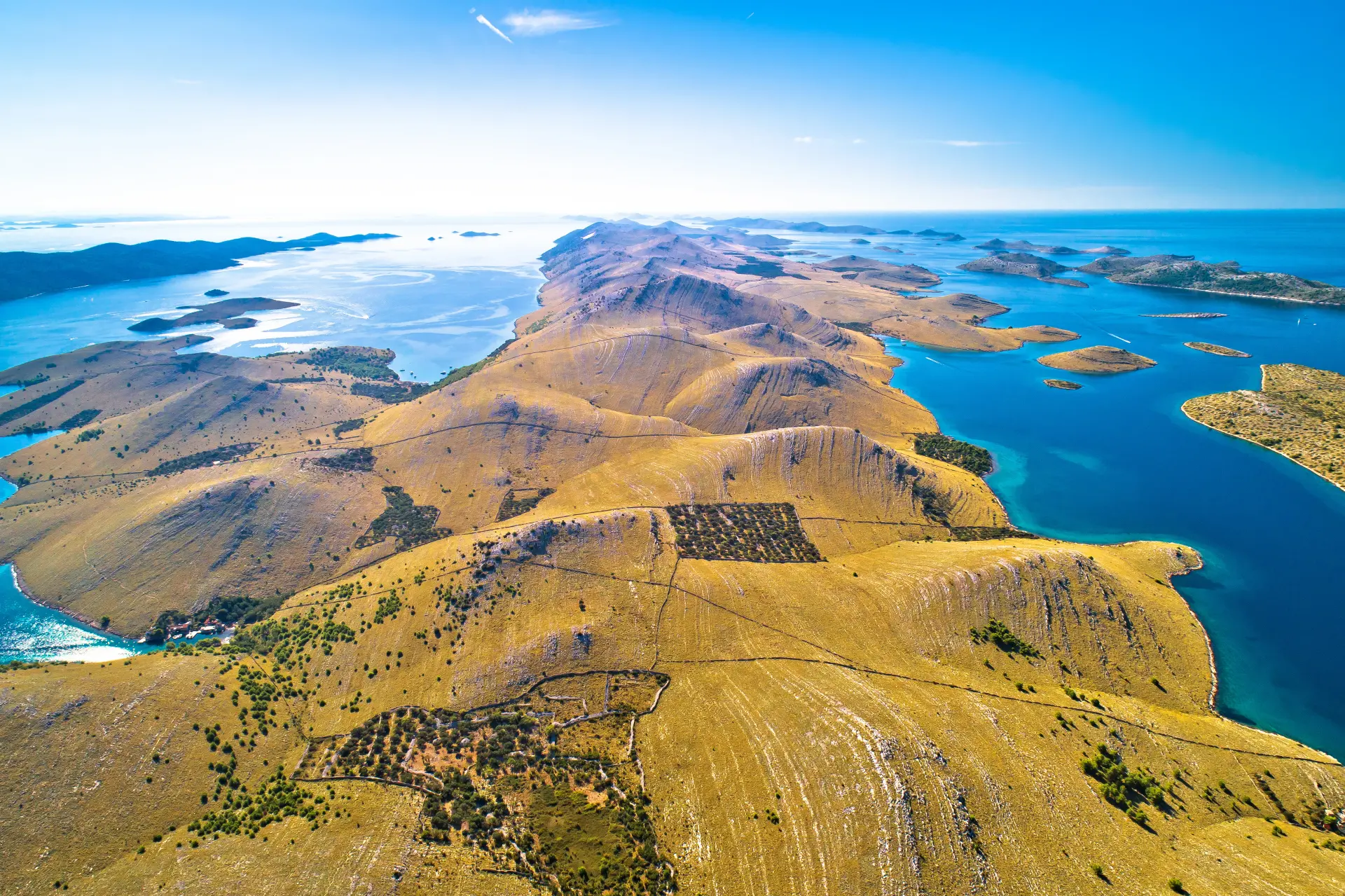
Kornati National Park
This archipelago consists of 89 islands, islets, and reefs known for their barren, moon-like landscapes and deep blue waters.
Visit the viewpoints on Mana Island for panoramic park perspectives.
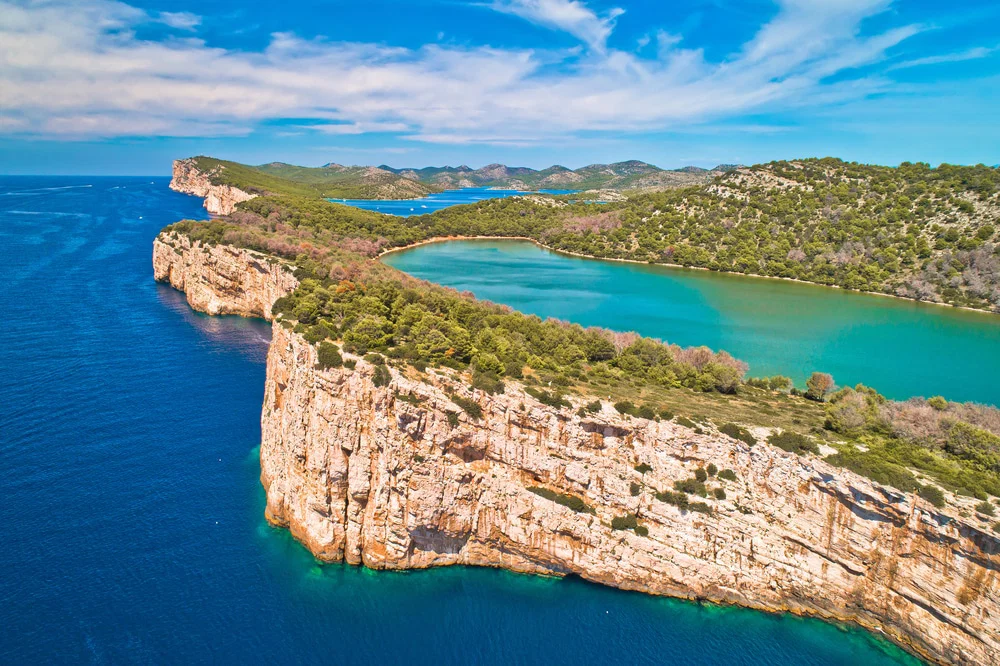
Dugi Otok
This island features the high cliffs of Telašćica Nature Park and the sandy Saharun Beach.
Walk the cliff trails early to observe nesting peregrine falcons.
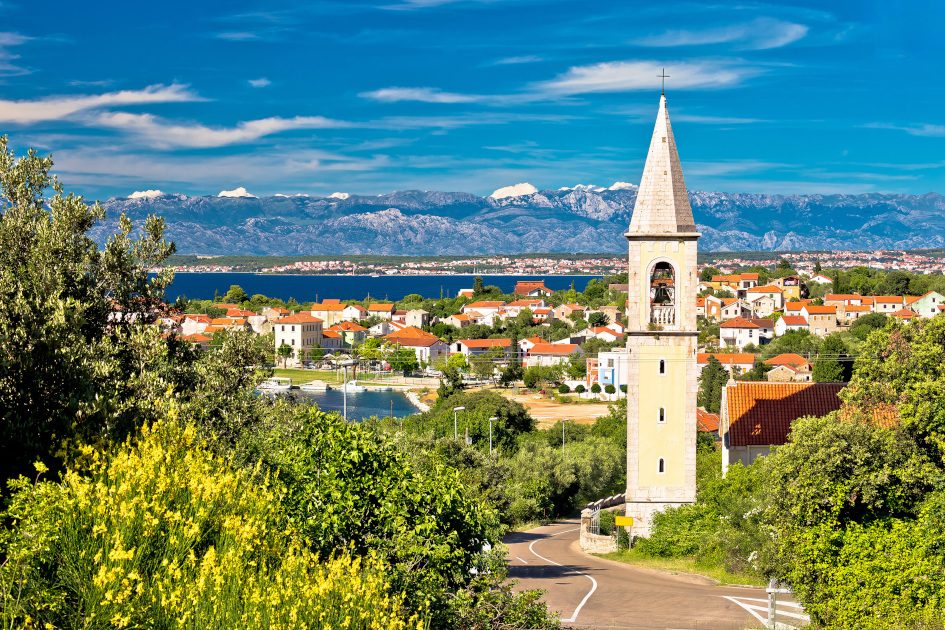
Ugljan Island
Located directly across from Zadar, this island is characterized by olive groves and traditional stone architecture.
Explore the walking paths around Saint Michael Fortress for harbor views.
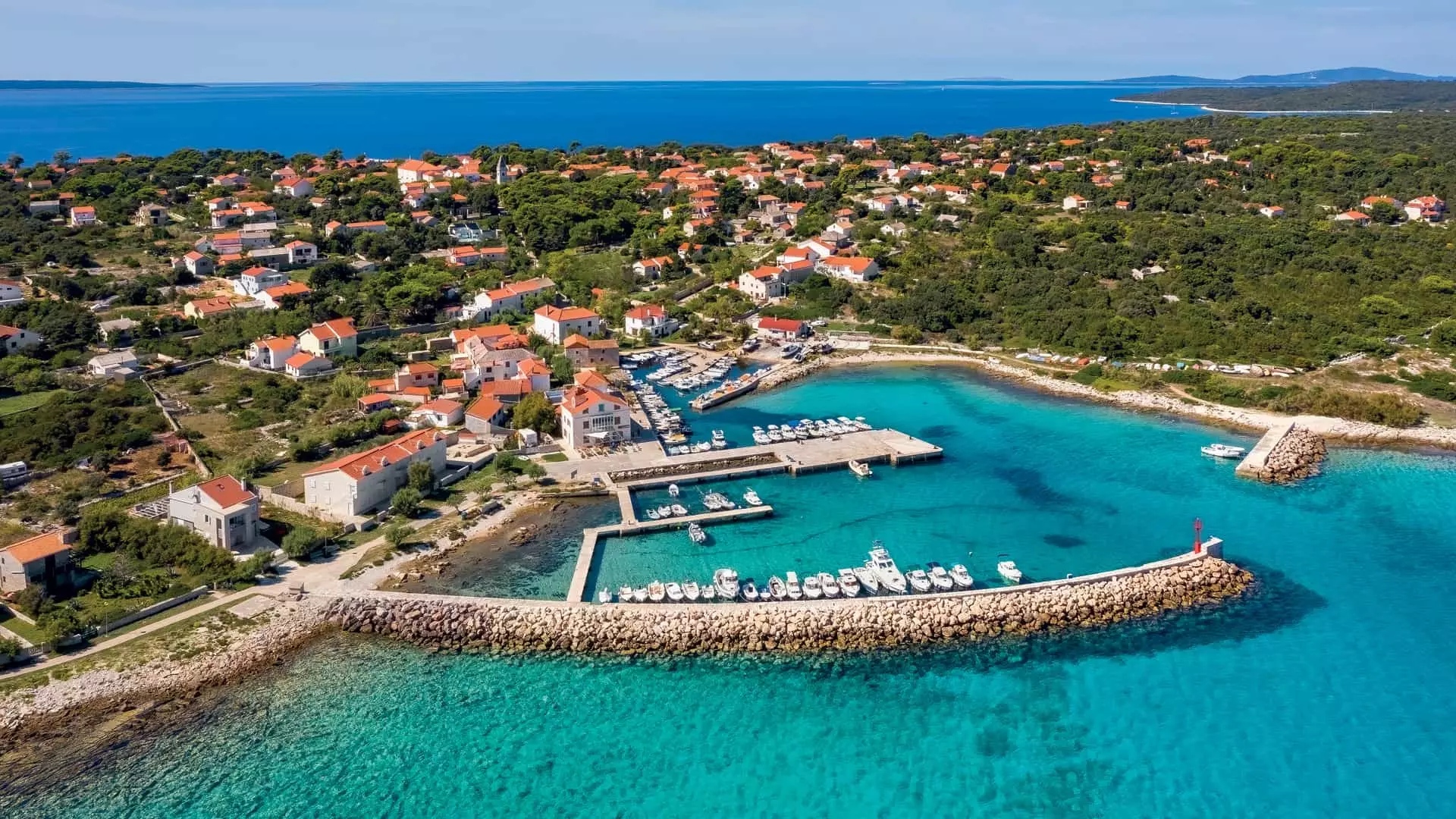
Silba Island
Known as the island of pedestrians, motorized vehicles are prohibited, maintaining a quiet environment for cycling and walking.
Rent a bicycle to navigate the car-free interior paths.
Insider Tips for When You Decide Is Zadar Worth Visiting
Navigating the Zadar Archipelago requires practical preparation to ensure your day on the water remains comfortable and organized.
Pack extra hydration
Island shops are sparse or closed during off-peak hours, so carry more water than you expect to consume. High temperatures can lead to rapid dehydration during island hikes.
Protect against sun exposure
Shade is limited on many remote islands and exposed boat decks. Wear UV-rated clothing and apply sunscreen before departure rather than relying on shade that may not exist.
Monitor local wind conditions
Boat schedules and island access change frequently based on the bura or jugo winds. Check the official weather forecast and your provider's status updates the evening before your trip.
Bring waterproof gear
Sea spray is common during boat transfers between islands. Keep electronics and travel documents in dry bags to protect them from saltwater and moisture.
Plan for limited facilities
Many smaller islands lack public restrooms or waste disposal points. Pack a small bag to carry all personal trash back to the mainland to maintain the local environment.
Check availability
Frequently asked questions about Zadar and its islands
Everything you need to know about is zadar worth visiting